

Author: Hiren Bhuriya

  • Your Topics Multiple Stories: How to Turn a Stale Subject into Engaging Content

    Your Topics Multiple Stories: How to Turn a Stale Subject into Engaging Content

    The way we consume and process information often defaults to oversimplification. We encounter a subject, assign it a single, easily digestible narrative, and file it away. However, reality is rarely one-dimensional. Just as a prism takes a single beam of white light and fractures it into a vast spectrum of distinct colors, any single subject contains a multitude of narratives waiting to be uncovered.

    As a researcher, long-form content writer, or analytical thinker, the most critical skill one can develop is the ability to look at a singular subject and extract the diverse, often competing narratives hidden within it. Moving from a broad subject to specific, targeted narratives transforms passive information consumption into active critical thinking. By applying the concept of Your Topics Multiple Stories, researchers can elevate their work from surface-level summaries to profound, multidimensional explorations. Here is a comprehensive look into why shifting from a single-angle mindset to a multi-narrative approach is essential for modern analysis, communication, and understanding.

    Your Topics Multiple Stories

    To truly understand this concept, we must first distinguish between a broad topic and a specific story. A topic is the overarching subject matter—the “what.” It is an objective fact, an event, a technological trend, or an industry. It is broad, static, and often entirely neutral. Subjects like “Artificial Intelligence,” “Global Supply Chains,” and “Remote Work” are topics. They act as the container for information, but they do not inherently tell you anything about the human experience or the underlying conflicts.
    2nd- Your Topics Multiple Stories

    A story, on the other hand, is the specific narrative, angle, or perspective derived from that topic. It is the “why,” the “how,” and the “who.” A story provides a lens through which we interpret the topic, driven by human impact, stakes, conflicts, and resolutions.

    When we explore this framework, we refer to the analytical practice of taking a single, broad container (the topic) and systematically unpacking the numerous, diverse narratives (the stories) that exist inside it. Every topic is a multifaceted ecosystem. By recognizing that one topic houses multiple intersecting narratives, journalists, content writers, and business leaders can avoid reductionist thinking and present a much more accurate reflection of reality. A singular topic is merely the starting point; the varying narratives are the true destinations.

    The Contextual Layers of a Topic

    To successfully extract varied narratives from a single subject, one must understand the underlying anatomy that makes any topic multidimensional. Uncovering these angles requires asking specific, investigative questions that slice through the subject from different directions and explore its contextual layers.

    The Temporal Context

    Every subject exists within a continuous web of time. Exploring this layer naturally yields different narratives depending on where you place your focus. The story of the past relies on historical precedent, origin stories, and the initial catalysts that brought the topic into existence. The story of the present looks at immediate impacts, current friction points, and real-time execution. Finally, the story of the future involves forecasting, predictive modeling, and understanding long-term consequences.

    The Geographic Context

    How does this subject manifest differently across physical borders and cultural boundaries? A global topic like “water scarcity” tells a very different story in the American Southwest compared to the story it tells in Sub-Saharan Africa. Geographic context forces a writer to acknowledge that policies, innovations, and social movements do not happen in a vacuum—they interact with local geographies, resources, and established infrastructures.

    The Stakeholder Context

    A topic affects different groups of people in vastly different ways. Identifying the stakeholders is often the fastest and most reliable route to discovering new narratives. Who are the primary beneficiaries profiting or gaining an advantage from this trend? Conversely, who are the disadvantaged or marginalized groups bearing the cost or the unintended consequences? Furthermore, what do the observers—regulators, scientists, or sociologists—have to say about the shifting dynamics?

    Core Perspectives to Extract Narratives

    When evaluating a subject, researchers can reliably generate fresh material by applying a standard set of thematic lenses. Actively implementing Your Topics Multiple Stories requires a deliberate shift in perspective, moving through various professional and social viewpoints to see how the subject changes under different lights.

    The Economic Angle

    Almost every subject has a financial heartbeat. The economic perspective looks closely at the flow of money, resource allocation, market disruptions, and financial incentives. It asks critical questions: What is the true cost of this development? Who is funding it, and who stands to profit the most? How does this alter the existing market equilibrium? By following the money, writers often uncover the most pragmatic and grounded narrative within a broader subject.

    The Social and Cultural Angle

    This perspective focuses deeply on human behavior, societal norms, and cultural shifts. It examines how a macro-level topic influences the micro-level way people live, communicate, and relate to one another on a daily basis. It asks: How does this change our community structures? Does it challenge deeply held cultural values or reinforce them? The social angle brings a necessary human element to topics that might otherwise feel overly technical or abstract.

    The Scientific and Technological Angle

    For subjects rooted in innovation, the technological perspective explores the raw mechanics of how things work, the rapid pace of advancement, and the specific scientific breakthroughs required to make progress possible. It asks: What are the physical, digital, or biological mechanisms driving this forward? What are the hard limitations of this technology? This angle grounds theoretical discussions in concrete science and engineering realities.

    The Ethical and Legal Angle

    This is frequently the most complex and contested narrative to write. It investigates the moral implications, regulatory frameworks, privacy concerns, and human rights aspects of a subject. It asks the ultimate philosophical question: Just because we possess the capability to do this, does it mean we actually should? Who holds the legal responsibility when these systems fail or cause harm?

    Real-World Examples in Action

    To clearly illustrate how this framework operates in practice, let us examine two contemporary subjects and break them down into their constituent narratives.

    Case Study 1: The Transition to Electric Vehicles

    If a writer only looks at the surface level, the narrative is overly simplistic: “The world is adopting electric cars to save the environment.” However, applying a multidimensional lens reveals a rich, complex tapestry of distinct narratives:

    • The Environmental Narrative: This focuses on the reduction of greenhouse gas emissions, the phasing out of fossil fuels, and the potential for mitigating the worst effects of climate change through cleaner tailpipe emissions.

    • The Supply Chain Narrative: This explores the intense global race to secure rare earth minerals like lithium and cobalt. It highlights the reliance on specific nations for battery production and the serious ethical concerns surrounding mining practices and labor laws.

    • The Infrastructure Narrative: This looks at the logistical challenges and massive capital investment required to build reliable, ubiquitous charging networks and to upgrade aging national power grids so they can handle the massive increase in electrical load.

    • The Workforce Narrative: This examines the disruption of the traditional auto mechanic industry, as electric vehicles require significantly less routine maintenance, threatening legacy jobs while simultaneously creating new, highly skilled positions in battery technology and software development.

    Case Study 2: The Integration of Artificial Intelligence in Healthcare

    A one-dimensional view simply states: “AI is making healthcare faster.” Beneath that surface lies a web of varied, deeply impactful stories:

    • The Diagnostic Narrative: The technological leap where machine learning algorithms can analyze medical imaging—such as X-rays and MRIs—with a higher degree of accuracy and speed than human radiologists, catching diseases earlier.

    • The Privacy Narrative: The ethical and legal concerns regarding who owns the massive datasets of patient health records required to train these AI models, and how vulnerable that highly sensitive data is to breaches or corporate misuse.

    • The Accessibility Narrative: The socioeconomic story of whether these advanced AI medical tools will be available to rural and low-income clinics, or if they will only be deployed in wealthy, urban research hospitals, thereby widening the existing healthcare inequality gap.

    The Benefits of Exploring Multiple Angles

    Adopting a multidimensional methodology provides immense, tangible value not just to content writers and researchers, but to the readers, business leaders, and policymakers who rely on their work.

    First, it is the most effective way to combat inherent bias and intellectual echo chambers. By actively seeking out the economic, social, and ethical angles within a subject, we bypass our own confirmation bias. It forces us to acknowledge complex realities that may contradict our initial assumptions, resulting in a much more intellectually honest and rigorous assessment.

    Second, it fosters empathy and nuance in public discourse. Single narratives often rely on creating simplistic “heroes” and “villains.” Multiple narratives introduce necessary nuance. Understanding that a new environmental policy might be a massive win for the climate while simultaneously devastating the economy of a local mining town fosters a more empathetic, comprehensive worldview.

    Finally, it leads to superior decision-making. For executives and policymakers, looking at only one angle is a guaranteed recipe for unintended, negative consequences. By mapping out all the variables—the technological leaps, the human costs, the legal hurdles—leaders can formulate holistic, well-rounded strategies that accurately anticipate and mitigate long-term risks.

    Future Relevance in the Digital Age

    As we move deeper into an era characterized by information overload, the volume of data we process daily is staggering. Algorithmic social media feeds and search engines are frequently designed to serve us the single, isolated story that most closely aligns with our pre-existing beliefs, hyper-polarizing our view of the world. In this fractured media landscape, embracing Your Topics Multiple Stories will become an indispensable survival skill for achieving true media literacy.

    Furthermore, as generative artificial intelligence becomes increasingly adept at producing basic, surface-level overviews of broad subjects, the true value of human writers and researchers will lie entirely in their ability to curate, connect, and contextualize multiple, highly nuanced angles. The premium in the content market will be placed on lateral thinking—the uniquely human ability to look at a singular event, synthesize disparate data points, and clearly articulate the complex ripple effects across society, economics, culture, and law.

    Conclusion

    A broad subject is merely a locked door; the varied, intersecting narratives are the keys required to understand exactly what lies behind it. By thoroughly examining the contextual layers, engaging with the realities of different stakeholders, and relentlessly applying economic, social, technological, and ethical lenses, we transform flat, uninspired information into deep, actionable insight. Whether you are analyzing global supply chains, technological revolutions, or subtle cultural shifts, the core philosophy of Your Topics Multiple Stories remains a powerful, foundational tool. Embracing the multitude of perspectives within a single container is the ultimate hallmark of sophisticated, impactful, and enduring research.

    You may love to Read- how can creating goals build or maintain a positive lifestyle

  • Home Depot Damage Protection Class Action: 2026 Legal Updates and Consumer Facts

    Home Depot Damage Protection Class Action: 2026 Legal Updates and Consumer Facts

    We have all been there. You stand in the middle of a massive Home Depot aisle, staring at a shiny new power drill or a fancy lawnmower. Just as you head to the checkout, the screen pops up with that famous question: “Would you like to add a protection plan?” Many people click “yes,” thinking they are buying peace of mind. They believe if the tool snaps or the motor dies, Home Depot has their back. Lately, however, a lot of those customers feel more like they have been tricked than protected.

    Talk about a home depot damage protection class action is heating up online. People are frustrated, and they are starting to ask if these protection plans are actually a way for the store to boost profits while leaving customers hanging. If you have ever paid for a plan only to have your claim denied, you need to know what is happening in the legal world right now.

    What Exactly is the Home Depot Damage Protection Plan?

    Home Depot usually sells these plans through a third party, often a company called Asurion. When you buy a water heater, a fridge, or even a leaf blower, you can pay extra for a “Protection Plan.” On paper, it sounds great. They promise to cover mechanical failures, power surges, and sometimes even accidental damage. This is separate from the manufacturer’s warranty, which usually only covers defects.

    The problem starts when you actually try to use the plan you paid for. Many customers report a “merry-go-round” of customer service. You call Home Depot; they tell you to call Asurion. Asurion tells you your specific problem isn’t covered because of some tiny sentence on page 42 of a document you never saw. This gap between what the salesperson says and what the contract actually covers is the spark for the home depot damage protection class action talk.

    Why People are Calling for a Class Action Right Now

    A class action lawsuit happens when a big group of people all have the same problem with a company. Instead of one person suing for $50, a thousand people sue together to make a real impact. Here are the main reasons Home Depot is facing heat in 2026:

    • The “Hidden” Exclusions: Many people complain that Home Depot sells these plans under false pretenses. They promise total coverage at the register, but when a tool breaks, the company calls it “normal wear and tear” and denies the claim.

    • The Tool Rental Trap: A specific part of the home depot damage protection class action focuses on tool rentals. Some lawsuits allege that Home Depot automatically adds a “damage protection” fee to rentals by default, forcing customers to pay for it unless they manually opt out.

    • Repair Delays: If your fridge breaks, you cannot wait three weeks for a technician. Many people complain that Home Depot’s partners take months to respond, making the “protection” useless.

    The Legal Reality and Recent Court Battles

    As we move through 2026, the legal landscape is getting complicated. There is not just one giant lawsuit, but several smaller ones targeting different parts of the business. For example, a case in Georgia recently looked at whether Home Depot overcharged late fees and applied “damage protection” fees improperly.

    While some of these cases face hurdles like judges dismissing them because customers didn’t follow the “written dispute” rules in the contract—new filings keep appearing. Law firms are actively investigating whether the home depot damage protection class action can be expanded to include all retail protection plans, not just tool rentals. In Canada, a settlement was even reached regarding extended warranties in Quebec, showing that the company is willing to pay when the legal pressure gets high enough.

    Where Does Your Money Go?

    When you buy that protection plan, Home Depot takes a cut, and the insurance company takes a cut. It is a high-profit item for the store because they know most people will never use it. Even if they do, the company has a massive team of people trained to find reasons to deny the claim.

    If a home depot damage protection class action actually goes through and wins, don’t expect to get rich. Usually, in these cases, the “class members” get a check for $20 or a store credit. The real win is that it forces Home Depot to change how they sell these plans. It forces them to be honest at the cash register so you don’t waste your money on a safety net that has giant holes in it.

    How to Protect Yourself Without the Plan

    You don’t always need to pay Home Depot for protection. Here is how you can stay safe for free and avoid being part of the next home depot damage protection class action:

    1. Check Your Credit Card: Many high-end credit cards automatically double the manufacturer’s warranty on anything you buy with the card. You get the same protection for $0.

    2. Manufacturer Warranty: Almost every tool has a 1-year warranty from the brand (like DeWalt or Ryobi) for free. Home Depot’s plan often just overlaps with this, meaning you are paying for something you already have.

    3. Read the Sticker: If a salesperson pushes a plan, ask them specifically: “Does this cover me if I drop it on concrete?” If they say yes, make them show you where it says that in writing. Most of the time, they cannot.

    Conclusion

    The “Home Depot Damage Protection” drama is a classic case of expectation versus reality. You expect a safety net; you get a spider web of rules and fine print. While a massive national home depot damage protection class action is still working its way through the system, the sheer number of complaints suggests that the fire is growing.

    If you feel cheated, keep your receipts and your claim denial emails. In the legal world, documentation is king. Whether or not a judge eventually orders a massive payout, the lesson for us is clear: Read before you reach for your wallet. Protection is only valuable if it actually protects you when things break. Until Home Depot makes their plans simpler and fairer, you might be better off putting that extra $30 into a rainy-day jar instead of an insurance plan that might let you down.

  • how can creating goals build or maintain a positive lifestyle

    how can creating goals build or maintain a positive lifestyle

    Creating goals is often viewed as a purely professional endeavor a way to climb the corporate ladder or increase productivity. However, from a psychological and physiological standpoint, goal-setting is actually the fundamental architecture of a positive lifestyle. It is the bridge between our current state and a future version of ourselves characterized by better health, deeper relationships, and increased mental resilience.


    To understand how goals build and maintain a positive life, we must look at the science of the brain, the psychology of motivation, and the real-life applications of “intentional living.”

    The Neurochemistry of Direction: Why the Brain Craves Goals

    The human brain is naturally goal-oriented. When we set a target, our brain begins to release dopamine, a neurotransmitter often associated with pleasure, but more accurately described as the chemical of anticipation and motivation.

    The Dopamine Reward Loop

    A positive lifestyle is maintained through consistent energy. When you create “micro-goals” (small, achievable daily targets), you trigger frequent dopamine releases. This doesn’t just make you feel good; it reinforces the behavior. Over time, your brain associates the act of striving with positive emotions, creating a self-sustaining cycle of productivity and optimism.

    Reducing Decision Fatigue

    One of the biggest drains on a positive lifestyle is “decision fatigue”—the mental exhaustion from making too many choices. Goals act as a filter. If your goal is “to run a marathon,” the decision of whether to eat a salad or a burger at lunch becomes easier. By narrowing your focus, goals reduce stress and preserve mental energy for what truly matters.

    Building Resilience Through the “Growth Mindset”

    A positive lifestyle isn’t one that is free of problems; it’s one that has the tools to handle them. Goal-setting fosters what Stanford psychologist Carol Dweck calls a Growth Mindset.

    When you set a goal and encounter a setback, you aren’t just “failing”—you are gathering data. This perspective shift is vital for maintaining a positive outlook. Instead of seeing a missed workout as a character flaw, a goal-oriented person sees it as a scheduling conflict to be solved. This prevents the “downward spiral” of negativity that often leads people to abandon healthy habits.

    The Three Pillars of Goal-Based Positivity

    To maintain a balanced lifestyle, goals should be distributed across three specific areas:

    I. Physical Vitality (The “Engine” Goals)

    Physical health is the foundation of mood. Research shows that goals related to sleep, hydration, and movement directly impact the prefrontal cortex, which regulates emotions.

    • Example: Setting a goal to walk 10,000 steps isn’t just about weight; it’s about the 20 minutes of vitamin D and the meditative movement that lowers cortisol levels.

    II. Mental & Intellectual Clarity (The “Steering” Goals)

    A positive lifestyle requires a sense of competence. Learning a new skill or reading a specific number of books a year prevents mental stagnation. When we grow intellectually, our self-esteem rises, which is a primary driver of a positive mood.

    III. Social Connection (The “Anchor” Goals)

    Loneliness is a major detractor from a positive life. Surprisingly, social goals are the most overlooked. Setting a goal to “call one friend every Tuesday” or “host a dinner once a month” ensures that your social battery remains charged, providing the emotional support needed during tough times.

    Real-Life Example: The Transformation of “Sarah”

    To see this in action, let’s look at a case study of a typical 35-year-old professional we’ll call Sarah.

    The Starting Point: Sarah felt “stuck.” She had a good job but felt chronically tired, lacked hobbies, and spent her evenings scrolling through social media, which left her feeling inadequate and anxious. Her lifestyle was “passive”—she was reacting to life rather than leading it.

    The Goal Intervention: Sarah decided to implement a tiered goal system to rebuild her lifestyle:

    1. The “Low-Bar” Goal: Drink 2 liters of water daily. (To build immediate “wins”).

    2. The “Skill” Goal: Learn basic woodworking. (To disconnect from digital stress).

    3. The “Big” Goal: Complete a 5K race in six months. (To provide long-term direction).

    The Result: By month three, Sarah noticed that her “Big” goal of the 5K forced her to go to bed earlier, which improved her mood at work. The “Skill” goal gave her a sense of identity outside of her job, reducing her work-related anxiety. The “Low-Bar” goal gave her a sense of control on days when everything else went wrong.

    Sarah didn’t just “get fit”; she built a positive infrastructure. Her goals became the scaffolding that held her lifestyle together when she was tired or unmotivated.

    How to Maintain the Momentum: The SMART+ Method

    Many people fail at goal-setting because they set “vague intentions” rather than “structured goals.” To maintain a positive lifestyle, your goals must be:

    • Specific (e.g., “I will meditate,” not “I want to be calm.”)

    • Measurable (e.g., “10 minutes.”)

    • Achievable (Don’t start with 60 minutes if you’ve never tried it.)

    • Relevant (It must matter to you, not a social media influencer.)

    • Time-bound (e.g., “By 8:00 AM every morning.”)

    The “+” Factor: Self-Compassion The secret to maintaining a positive lifestyle is the “plus” factor: Flexibility. If you miss a goal, a positive lifestyle dictates that you “never miss twice.” You acknowledge the slip, forgive yourself, and return to the path immediately. This prevents the “all-or-nothing” thinking that destroys most lifestyle changes.

    The Long-Term Benefit: Finding “Flow”

    Ultimately, creating goals leads to the state of Flow a concept developed by Mihaly Csikszentmihalyi. Flow is the state of being so involved in an activity that nothing else seems to matter. It is the pinnacle of a positive lifestyle.

    When you have clear goals, you find Flow more often because you know exactly what you are trying to achieve. Whether it’s gardening, coding, or parenting, the presence of a goal turns a mundane task into a rewarding challenge.

    Conclusion: Living by Design, Not Default

    A positive lifestyle is rarely an accident. It is a deliberate construction. By setting goals, you move from a “default” lifestyle where you are shaped by external stressors and digital distractions to a “designed” lifestyle, where you are the architect of your own energy.

    Goals provide the map (direction), the fuel (dopamine), and the armor (resilience) needed to navigate life with a sense of purpose and joy.

  • Messagenal: A Practical Guide for Clear Messaging

    Messagenal: A Practical Guide for Clear Messaging

    In the modern digital landscape, we are constantly transmitting data. Between instant messages, project management updates, and lengthy emails, the volume of our communication has never been higher. However, volume does not equate to value. Often, the more we speak, the less we are understood. This paradox is where a new standard of professional communication is required to bridge the gap between intent and impact.

    The Core Philosophy of Messagenal Communication

    The primary pillar of the Messagenal framework is the deliberate rejection of “urgency culture.” In many professional environments, there is an unwritten rule that a fast response is a good response. This philosophy challenges that by prioritizing distillation over speed. A distilled message is one that has been stripped of its “noise”—the filler words, the vague “checking in” phrases, and the ambiguous requests that plague our inboxes.

    By taking a ten-second pause before hitting send, you ensure that the intention of your message aligns with its ultimate reception. This intentionality reduces the “ping-pong” effect—the exhausting back-and-forth of clarifying questions that arise from an initially unclear message. When we communicate with this mindset, we move away from reactive, high-speed typing and toward a structured, thoughtful exchange that respects the receiver’s time and cognitive energy.

    Structural Foundations for Clear Messaging

    To provide descriptive information without overwhelming the reader, you should adopt the journalistic “Inverted Pyramid” structure. This ensures that the most vital information is front-loaded, catering to the reality that most digital readers are “skimmers.” This structural integrity is the first step toward achieving consistent clear messaging across your organization.

    • The Critical Core: The first sentence should answer the “So What?” Why are you writing, and what is the most important thing the reader needs to know right now?

    • The Contextual Body: This is where you provide the descriptive details. Use concrete data instead of subjective adjectives. State that “Phase 2 is 85% complete” rather than saying it is “moving along well.”

    • The Supplemental Tail: Information that provides background or historical context belongs at the end. This allows the reader to stop reading once they have acquired the actionable facts, saving them minutes of unnecessary labor.

    Managing Tone and Visual Architecture

    One of the most significant challenges in digital text is “negativity bias.” Research consistently shows that neutral messages are often interpreted as slightly negative by the receiver because they lack facial expressions and vocal inflection. A Messagenal practitioner acts as an “architect of tone,” explicitly describing the urgency or nature of the message to prevent anxiety.

    For instance, rather than saying, “We need to talk later,” which often triggers a stress response, a clear communicator would say, “I’d like to catch up for ten minutes to brainstorm ideas; no issues, just looking for your creative input.” Furthermore, walls of text lead to “skimming fatigue.” Utilizing visual signposts like action headings, parallel bullet points, and selective bolding is essential for maintaining clear messaging in a high-volume environment. These tools allow the human brain to categorize information before it even starts reading the actual words.

    Bridging Context Gaps and Content Redaction

    We often suffer from the “curse of knowledge”—the assumption that what is clear in our minds must be clear to everyone else. Effective communication requires “Contextual Intelligence.” This means always defining your variables and never assuming the reader knows which version of a document or which department you are referencing.

    True descriptive power also comes from what you leave out. You should advocate for the removal of “Zombie Nouns”—verbs that have been turned into heavy, stagnant nouns. Instead of saying “We will perform an investigation,” simply say “We will investigate.” By using active verbs, you make your writing more energetic and direct. This careful redaction ensures that every word on the page serves the goal of clear messaging, leaving no room for misinterpretation or fluff.

    Building Credibility Through Messagenal Habits

    Consistency is the bedrock of professional trust. When you consistently deliver information using these principles, you build a “Communication Brand.” People begin to recognize that a message from you is relevant, reliable, and respectful of their time. This reliability reduces workplace friction and is the most effective way to maintain clear messaging even during high-pressure crises.

    Part of this habit is also “Channel Discipline”—choosing the right platform for the message. A long guide sent via an instant messaging app is a failure of communication; it should be a linked document with a summary. By matching the complexity of your information to the appropriate digital channel, you ensure your message is archived correctly and easily retrieved. This habit quietly supports progress behind the scenes, transforming everyday tasks into manageable steps.

    Conclusion: Why Clear Messaging is Essential for Success

    At its heart, this practice reminds us that there is a human being behind every screen. In our rush to be “productive,” we often treat messaging as a chore to be finished rather than a connection to be made. By slowing down and applying structure, we move from being “overwhelmed by noise” to “empowered by clarity.”

    The Messagenal approach doesn’t just make you a better writer; it makes you a better leader and a more empathetic participant in the digital age. When you eliminate the friction of “decoding” intent, you improve productivity and strengthen professional relationships. Remember, the goal of clear messaging isn’t just to be heard—it is to be understood.

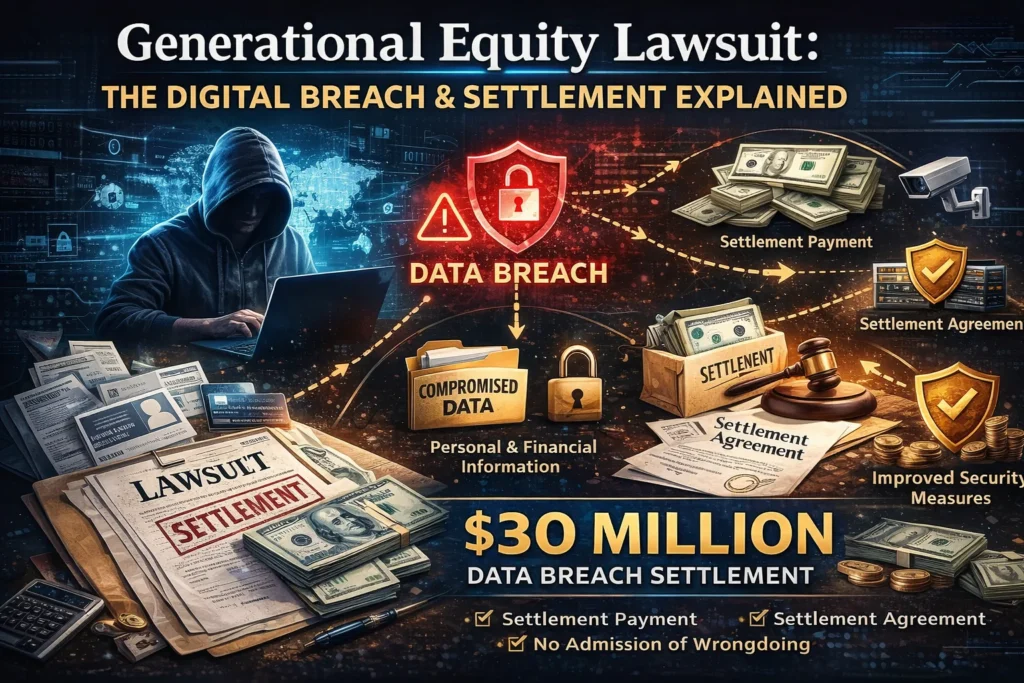
  • Generational Equity Lawsuit: The Digital Breach & Settlement Explained

    Generational Equity Lawsuit: The Digital Breach & Settlement Explained

    In the specialized world of mergers and acquisitions (M&A), trust and confidentiality are the bedrock of every transaction. However, that foundation was tested when Generational Equity, LLC, one of the nation’s leading M&A advisory firms for privately held businesses, became the target of a significant legal challenge. As we move through February 2026, the dust finally settles on a legal saga that exposed the vulnerabilities of high-stakes financial data.


    The Generational Equity lawsuit specifically the class action known as Glass v. Generational Equity LLC—is a landmark case in the intersection of professional services and cybersecurity. It serves as a stark reminder that no matter how many multi-million dollar deals a firm closes, a single data breach can trigger a costly legal reckoning.

    The Anatomy of the Allegations: The February 2023 Breach

    The core of the litigation began with a cybersecurity incident that occurred in February 2023. Generational Equity discovered that an unauthorized party gained access to its internal systems, which potentially exposed the “Private Information” of thousands of individuals.

    What Data Was Compromised?

    According to court documents filed in the 298th Judicial District Court of Dallas County, Texas, the breach was not just a minor leak. The compromised data included:

    • Social Security Numbers (SSNs): The most sensitive information for identity thieves.

    • Financial Account Information: Details that could allow for unauthorized transactions.

    • Personally Identifiable Information (PII): Names, addresses, and other identifiers used in M&A due diligence.

    The Generational Equity lawsuit alleged that the firm was negligent in its “Duty of Care.” Plaintiffs argued that despite handling the life’s work and sensitive financial data of business owners, the firm failed to implement industry-standard cybersecurity measures to prevent a predictable cyberattack.

    The $275,000 Class Action Settlement (2024–2025)

    To avoid the mounting costs and unpredictability of a trial, Generational Equity reached a $275,000 class action settlement in late 2024. While the firm “expressly denied” any wrongdoing or liability, the settlement provided a mechanism for impacted individuals to seek restitution.

    Payout Tiers and Compensation

    The settlement was structured to address different levels of impact. By the time final checks were being processed in April and May 2025, class members fell into two primary categories:

    Claim Type Description of Losses Potential Award
    Ordinary Losses Bank fees, credit report costs, and up to 3 hours of lost time ($25/hr). Up to $300
    Extraordinary Losses Unreimbursed fraudulent charges or documented identity theft damages. Up to $3,500
    Credit Monitoring Two years of free identity theft protection and “Lost Wallet” assistance. Included for all

    As of February 2026, the deadline to file a claim (December 3, 2024) has passed. Most eligible participants received their payments in 2025. Reports from class members indicated that “Ordinary Loss” checks often ranged from small amounts to the full $300 cap, depending on the volume of claims filed.

    The “Intergenerational Equity” Paradigm Shift

    While the specific Generational Equity lawsuit involving the M&A firm was about data, the term “Generational Equity” has taken on a much larger legal meaning in 2026.

    Across the globe, we see a “global explosion” of climate litigation based on the principle of Intergenerational Justice. As of early 2026, over 3,000 climate cases have been filed worldwide. These lawsuits argue that current corporate and state actions (like fossil fuel expansion) violate the rights of future generations.

    Key 2026 Legal Trends:

    • Polluter Pays: The paradigm has shifted from asking for “better goals” to demanding “concrete compensation” for climate-driven infrastructure collapse.

    • International Influence: Historic advisory opinions from the International Court of Justice (ICJ) in 2025 are now being used by youth plaintiffs to bypass legal delays in U.S. courts.

    Lessons for Business Owners and M&A Clients

    The Generational Equity lawsuit serves as a vital case study for anyone currently engaged in or planning a business exit. In 2026, cybersecurity is no longer just an “IT issue”—it is a major legal liability.

    1. Due Diligence on Data Security: Before signing with an M&A firm, ask about their encryption standards and whether they have had a breach in the last five years.

    2. Verify Cyber Insurance: Ensure the firm you work with has adequate “Cyber Liability” insurance to cover your losses if a breach occurs.

    3. Activate Protections: If you were a client of Generational Equity in 2023, ensure you activated the two years of free credit monitoring provided by the settlement.

    Generational Group’s Response and 2026 Outlook

    Despite the litigation, Generational Group remains a powerhouse in the middle-market M&A space. In early 2026, the firm celebrated reaching over 1,800 closed transactions and earned top-tier rankings in the LSEG league tables.

    The firm invested heavily in “data security enhancements” as part of the settlement agreement. For clients in 2026, this means more secure portals and stricter protocols for handling sensitive financial statements. The firm’s ability to rebound from the Generational Equity lawsuit highlights its resilience, but the “data incident” of 2023 remains a permanent asterisk on its record.

    Conclusion

    The Generational Equity lawsuit illustrates the two sides of the modern legal coin. On one side is the technical battle over data breach liability and the $275,000 payout to victims. On the other side is the broader movement for “Generational Equity” that seeks to protect the environmental and economic rights of future generations.

    Whether you are a business owner seeking an exit or a consumer protecting your Social Security number, the message is clear: in 2026, “equity” is something you must actively defend in the courtroom.

  • Inside the Nightfall Group Lawsuit and Hollywood’s Party House Crisis

    Inside the Nightfall Group Lawsuit and Hollywood’s Party House Crisis

    In the hills of Los Angeles, where the architecture is as dramatic as the people, a legal battle is unfolding that threatens to dismantle the “rags-to-riches” narrative of one of the city’s most prominent luxury rental moguls. As of February 26, 2026, the Nightfall Group lawsuit stands as a landmark case in the city’s fight against illegal short-term rentals, noise pollution, and the erosion of neighborhood integrity.


    Led by Mokhtar Jabli, The Nightfall Group (operating under Ultimate Host, LLC) positioned itself as a premier concierge service, offering “villas” for up to $16,000 per night. However, a massive civil enforcement action filed by Los Angeles City Attorney Hydee Feldstein Soto alleges that this luxury empire was built on a foundation of systemic law-breaking and neighborhood disruption.

    The Core of the Conflict: Illegal Short-Term Rental Arbitrage

    The primary legal challenge in the Nightfall Group lawsuit centers on the company’s business model, which the City Attorney describes as “short-term rental arbitrage” on a massive scale.

    Under Los Angeles’s Home-Sharing Ordinance, hosts are strictly limited to renting out only their primary residence—the place where they live for at least six months of the year. Furthermore, a person is prohibited from operating more than one short-term rental at a time.

    • The Allegation: The Nightfall Group allegedly leased hundreds of high-end properties from homeowners as “long-term rentals” and then surreptitiously subleased them as short-term stays.

    • The Violation: By operating as a “hosting platform” without following registration requirements, the company effectively bypassed city taxes, safety inspections, and housing regulations designed to prevent residential homes from becoming “underground hotels.”

    250 Police Calls: The Public Nuisance Charge

    Beyond administrative violations, the Nightfall Group lawsuit highlights a severe public safety issue. According to the complaint, the Los Angeles Police Department (LAPD) responded to Nightfall-associated properties more than 250 times in a two-year window in the Hollywood area alone.

    A Neighborhood Under Siege

    The lawsuit paints a vivid picture of the “party house” culture facilitated by Nightfall:

    • Violence and Crime: Police reports included responses to assaults with deadly weapons and grand theft.

    • Neighborhood Disruption: Residents in the Hollywood Hills and Bel-Air complained of “shaking houses” due to high-decibel bass, blocked evacuation routes (critical in fire-prone hills), and rampant litter and vandalism.

    • Persistent Offenders: One property at 9010 Hopen Place was reportedly the subject of 31 party-related calls for police assistance in just two years.

    Settlement Updates and Legal Payouts (2025–2026)

    As the case progressed through 2025, several key defendants began to settle with the city. In September 2025, City Attorney Feldstein Soto announced that three defendants associated with the 2023 lawsuit reached agreements to pay substantial civil penalties.

    Defendant Civil Penalty Amount Requirement
    Kirill “Kirk” Ayzenberg $215,000 Prohibited from all short-term rental activity in LA.
    5554 Green Oak, LLC $45,000 Signage must state short-term rentals are prohibited.
    Jungle Kerry, Inc. $20,000 Must inform all guests that loud parties are banned.

    These settlements, totaling nearly $280,000, were accompanied by a broader victory for the city: the return of at least 10 rent-stabilized units to the long-term housing market. This addresses one of the most critical points of the Nightfall Group lawsuit—the fact that luxury rental rings often take affordable housing off the market to serve transient, high-paying guests.

    The “Bait and Switch” and Rags-to-Riches Scrutiny

    The lawsuit also sheds light on the personal narrative of Mokhtar Jabli. Often appearing in social media and interviews as a self-made success story who once lived on the streets, Jabli’s business practices are now under the microscope.

    The City Attorney’s office alleges a “bait and switch” scheme similar to other recently prosecuted rental rings (like the Skysun/Yurov case). In these schemes, defendants often provide false addresses for their listings to bypass Airbnb or VRBO registration blocks, only revealing the true location after a guest has paid thousands of dollars. While Jabli has filed denials in various proceedings, the volume of evidence—including LAPD declarations and neighbor testimony—continues to drive the Nightfall Group lawsuit forward.

    Comparative Litigation: The 2026 Crackdown

    The Nightfall case is not an isolated incident. It is part of a 2026 “Clean Sweep” initiative by the City Attorney’s Public Rights Branch aimed at protecting the City’s housing stock and neighborhood peace.

    The Impact on Housing Affordability

    A major legal argument used by the City Attorney is that companies like Nightfall exacerbate the housing crisis. When a rent-stabilized apartment is converted into a $1,000-a-night “viva,” it removes a home for a local resident. The Nightfall Group lawsuit alleges that several of the properties used were subject to the Rent Stabilization Ordinance (RSO), making their use as short-term rentals strictly illegal.

    The Future of Luxury Rentals in Los Angeles

    The outcome of the Nightfall Group lawsuit will likely dictate the future of the “luxury concierge” industry in California. If the city secures the permanent injunctions and the millions in civil penalties it seeks, the “arbitrage” model—where companies lease homes to sublease them as party villas—will effectively be dead in Los Angeles.

    What Consumers and Neighbors Should Know:

    1. Check for Registration: If you are renting a “villa” in LA, the listing must include a city-issued registration number.

    2. Report Violations: The City Attorney has encouraged residents to use the MyLA311 service to report suspected illegal short-term rentals.

    3. The “Party House” Ordinance: Property owners are now held civilly liable for the actions of their tenants. This means homeowners who lease to companies like Nightfall risk losing their properties or facing massive fines.

    Conclusion

    The Nightfall Group lawsuit is a cautionary tale of what happens when the “disruptor” mindset of the tech-sharing economy meets the rigid safety and housing needs of a major metropolis. For the residents of Hollywood and Bel-Air, the lawsuit isn’t just about fines; it’s about reclaiming their right to a peaceful night’s sleep. For Mokhtar Jabli and the Nightfall Group, the case represents a moment of reckoning: in 2026, the glamour of a Hollywood hills party house no longer provides a shield against the rule of law.
    With litigation still pending against Jabli and Ultimate Host, LLC, the city is seeking the maximum penalty allowed—up to $2,500 per violation. Given the thousands of nights advertised, the final judgment could reach into the millions, signaling the end of the “wild west” era of Los Angeles short-term rentals

    Read More- Tarnplanen: A Strategic Framework for Planning in Uncertain Times

  • Automated Harassment and the Law: A Deep Dive into the Rebeca Mingura Credit One Lawsuit

    Automated Harassment and the Law: A Deep Dive into the Rebeca Mingura Credit One Lawsuit

    In the digital age, the line between persistent debt collection and systemic harassment has become a central focus for federal and state courts. The Rebeca Mingura Credit One lawsui, filed in the U.S. District Court for the Northern District of California in August 2025, has emerged as a landmark case representing the struggle of individual consumers against massive financial institutions.

    With allegations involving hundreds of automated calls to a disabled senior citizen, the Rebeca Mingura Credit One lawsuit serves as a critical test of the Telephone Consumer Protection Act (TCPA) and the Rosenthal Fair Debt Collection Practices Act (RFDCPA). As of February 2026, the case is entering a pivotal phase that could redefine how banks utilize automated technology to contact debtors.

    The Anatomy of the Allegations

    The core of the Rebeca Mingura Credit One lawsuit (Case No. 3:25-cv-06712) rests on the sheer volume and nature of communication initiated by Credit One Bank, N.A. According to court filings, Mingura—a senior citizen living with disabilities—was subjected to a relentless campaign to collect on alleged debts across three separate accounts.

    Key details of the alleged conduct include:

    • Excessive Call Volume: The plaintiff alleges she received over 578 calls in a short four-month window (April to July 2025).

    • Harassment Despite Revocation: Mingura claims she explicitly revoked her consent for the bank to contact her via her cellular phone and informed them of her financial and medical hardships. Despite this, the calls allegedly continued at a rate of multiple times per day.

    • Psychological Impact: The lawsuit argues that the “sequential calling” tactics—where multiple calls are placed within minutes—caused significant emotional distress and physical exhaustion for the vulnerable plaintiff.

    Legal Pillars: TCPA and California’s Rosenthal Act

    The legal strategy behind the Rebeca Mingura Credit One lawsuit is designed to hold the bank accountable through both federal and state statutes.

    1. The Telephone Consumer Protection Act (TCPA): This federal law prohibits the use of an “automatic telephone dialing system” (ATDS) or artificial/prerecorded voices without prior express consent. Since Mingura alleges she revoked her consent, each subsequent call could incur statutory damages of $500 to $1,500.

    2. The Rosenthal Fair Debt Collection Practices Act (RFDCPA): This California state law offers even broader protections than federal law, specifically prohibiting “harassing, oppressive, or abusive” behavior. Under California law, senior citizens and disabled individuals may be entitled to enhanced damages when a court finds a “pattern and practice” of predatory behavior.

    Procedural Timeline: Where the Case Stands (February 2026)

    Date Legal Development
    August 8, 2025 Initial Complaint filed in the Northern District of California.
    August 25, 2025 Case assigned to Judge Araceli Martínez-Olguín.
    February 6, 2026 Credit One Bank filed a Motion to Compel Arbitration, a common tactic to move cases from public court to private, confidential proceedings.
    June 4, 2026 Current scheduled date for the hearing on the Motion to Compel Arbitration.

    The current focus of the Rebeca Mingura Credit One lawsuit is whether the case will remain in the public court system or be forced into private arbitration. This is a high-stakes moment: public litigation allows for “discovery,” which could force the bank to reveal internal policies regarding their automated dialing algorithms.

    Broader Context: A $10.2 Million Precedent

    The momentum of the Rebeca Mingura Credit One lawsuit is bolstered by recent state-level actions. In February 2026, Credit One Bank agreed to a $10.2 million settlement with the California Debt Collection Task Force. This settlement addressed statewide allegations of “unreasonably frequent” calls.

    While the $10.2 million settlement is a separate civil action, the findings in that case—which criticized the bank for allowing up to 10 calls per day per account—provide a powerful backdrop for Mingura’s individual claims. It establishes a documented history of the bank’s collection department failing to self-regulate their automated systems.

    Conclusion: The Stakes for Consumer Privacy

    The Rebeca Mingura Credit One lawsuit is more than just a dispute over a debt; it is a fight for the “right to be left alone.” For Mingura, the phone became a source of constant anxiety, illustrating the human cost of automated corporate outreach.

    As the legal community looks toward the June 2026 hearing, the outcome will signal whether big banks can continue to hide behind “arbitration clauses” or if they will be held publicly accountable for the actions of their automated dialing systems. In 2026, the case stands as a warning: digital efficiency must never come at the expense of human dignity.

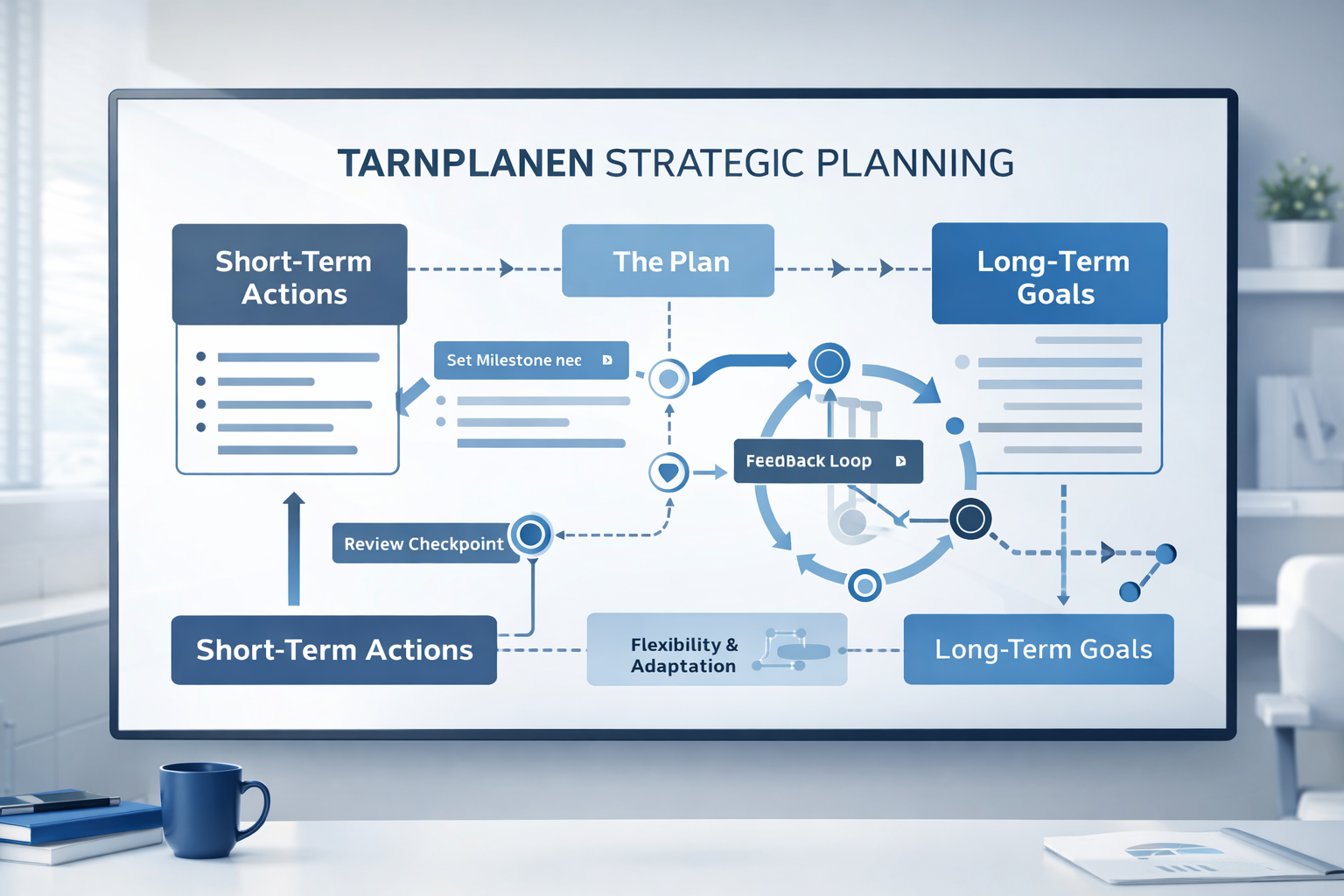
  • Tarnplanen: A Strategic Framework for Planning in Uncertain Times

    Tarnplanen: A Strategic Framework for Planning in Uncertain Times

    Modern organizations face a common challenge: how to plan when the future remains unclear. Markets shift, technologies evolve, and customer needs change faster than traditional planning methods can handle. Tarnplanen emerges as a solution to this problem, offering a framework that combines structure with flexibility.

    Unlike rigid planning systems that break under pressure, tarnplanen creates coherence while maintaining adaptability. It recognizes that perfect prediction is impossible and instead focuses on building systems that respond well to change.

    What Tarnplanen Brings to Modern Planning

    Tarnplanen is a planning philosophy that accepts uncertainty as normal rather than exceptional. The framework does not promise to forecast the future. Instead, it prepares organizations to make smart decisions when conditions shift.

    The approach works through several key mechanisms. First, it establishes clarity about core objectives and priorities. Second, it builds pathways toward those objectives while maintaining room for adjustment. Third, it creates regular review points where teams assess progress and make necessary changes.

    What makes tarnplanen different is its focus on alignment. Every action connects to strategic vision. Every decision gets evaluated against long-term goals. This prevents the drift that happens when daily tasks lose connection to bigger purposes.

    The framework operates on a simple truth: organizations succeed not by predicting everything but by responding well to anything. This shift in perspective changes how planning works at every level.

    Core Principles That Define Tarnplanen

    Several guiding principles shape how tarnplanen functions in practice. Understanding these principles helps explain why the framework delivers better results than traditional approaches.

    Clarity Before Action

    Tarnplanen insists on clarity before committing resources. This means taking time to ensure alignment and shared understanding across teams. Many organizations rush into action without clear purpose, wasting effort on activities that don’t advance real goals.

    The framework prevents this through structured discussion and analysis. Teams define what success looks like, what priorities matter most, and why particular actions deserve attention. This upfront investment in clarity pays dividends through better execution and fewer wasted resources.

    Structure With Flexibility

    The framework balances structure and flexibility in ways that seem contradictory but prove powerful in practice. Tarnplanen provides enough structure to prevent chaos and maintain direction. At the same time, it builds in enough flexibility to handle unexpected situations.

    This balance is crucial. Too much structure creates rigidity that breaks under pressure. Too much flexibility creates confusion where teams lack coherent direction. Tarnplanen finds the middle ground through clear objectives combined with adaptive tactics.

    Evidence Over Assumptions

    Tarnplanen reduces reliance on assumptions by grounding decisions in evidence. Rather than plan based on hunches or untested beliefs, the framework pushes teams toward data and facts. What do results actually show? What do customers really want? What do metrics indicate?

    This emphasis on evidence prevents costly mistakes that come from acting on false assumptions. It also creates organizational learning, as teams develop better understanding of what works through systematic assessment of outcomes.

    Long-Term Perspective

    While tarnplanen addresses immediate needs, it maintains focus on long-term objectives. This prevents reactive planning where organizations lurch from crisis to crisis without making real progress.

    The framework keeps long-term vision in view even when dealing with short-term pressures. This ensures that today’s decisions contribute to tomorrow’s success rather than create future problems.

    How Tarnplanen Aligns Actions With Goals

    One of tarnplanen’s strongest contributions is alignment between different organizational levels. Strategic vision connects to operational execution through clear mechanisms that prevent drift.

    The framework requires that every initiative demonstrate connection to strategic objectives. This is not bureaucratic exercise but genuine alignment. Before launching projects or allocating resources, teams must articulate how their work advances core priorities.

    This discipline prevents fragmentation where different departments pursue competing agendas. Over time, organizations can accumulate dozens of initiatives that seemed reasonable when launched but pull in different directions. Tarnplanen prevents this through consistent alignment checks.

    Progress tracking measures both activity and advancement toward goals. Teams report not just what they did but what they achieved in terms of strategic objectives. This shifts focus from busyness to results that matter.

    Regular review points create opportunities to assess whether alignment remains strong or has weakened. When drift occurs, the framework provides tools to restore connection between daily actions and long-term vision.

    Decision-Making Through Tarnplanen

    The framework improves decision quality by providing context and criteria. Decisions happen within strategic framework rather than in isolation. Teams consider how choices align with objectives, what resources they require, what risks they carry, and how they affect other initiatives.

    Tarnplanen reduces decision fatigue through clear priority hierarchies. Not every decision carries equal weight. The framework helps teams distinguish between critical choices requiring deep analysis and routine decisions that can follow established guidelines.

    Evidence plays a central role in decision processes. Rather than rely on opinions, tarnplanen pushes teams toward data. What do results show? What patterns emerge? What facts support different options? This grounding in evidence prevents drift toward comfortable illusions.

    Decisions made through the framework tend to have legitimacy that supports implementation. When teams follow the process, choices emerge from systematic thinking rather than individual preference. People may not always agree, but they understand the reasoning.

    Managing Uncertainty With Tarnplanen

    Traditional planning treats uncertainty as a problem to eliminate through better forecasting. Tarnplanen treats uncertainty as a constant condition to manage through better systems. This difference in perspective changes everything.

    The framework prepares for uncertainty through several techniques. First, it avoids over-commitment to specific tactics while maintaining commitment to strategic direction. Teams know the destination but have flexibility about the route.

    Second, it builds buffer capacity into plans, recognizing that unexpected demands will arise. Third, it creates decision frameworks that enable quick response without chaos. When conditions change, teams have tools for intelligent adaptation.

    Review points become decision moments where teams assess whether current approaches still make sense given new information. The framework provides criteria for these assessments, preventing random changes based on panic.

    This does not mean constant change. Tarnplanen distinguishes between fundamental strategy, which should remain stable, and tactical approaches, which may need adjustment. Knowing what to change and what to protect maintains coherent progress.

    Real Application in Organizations

    Consider how tarnplanen works in practice. An organization facing performance challenges and unclear priorities adopts the framework. The first phase involves strategic clarification through structured discussion.

    Leadership teams define what success means, what priorities matter most, and what capabilities need development. This phase often reveals surprises. What seemed like shared understanding turns out to be different interpretations. What appeared as obvious priorities compete with other concerns.

    With clarity established, the organization maps operational layers. Each department translates strategic priorities into their context. Sales defines how to pursue priority customers. Operations identifies process improvements. Finance allocates resources according to strategic importance.

    Review cycles begin, creating rhythm in the organization. Teams assess progress, examine results, and make necessary adjustments. Some initiatives exceed expectations and receive additional resources. Others underperform and face hard questions.

    Over time, the organization develops new capabilities. Decision quality improves as people learn to use the framework’s tools. The culture shifts from reactive to intentional, from fragmented to coherent.

    Common Mistakes Tarnplanen Prevents

    Organizations make predictable planning mistakes that tarnplanen’s structure helps avoid. One common failure is the plan that sits unused. Teams invest effort creating detailed plans that never guide actual decisions. Tarnplanen prevents this through emphasis on execution and regular review.

    Another mistake is reacting to every pressure without strategic filter. Organizations lurch from crisis to crisis, making decisions that solve immediate problems but create future complications. Tarnplanen maintains long-term perspective even when addressing short-term issues.

    Ignoring feedback represents another failure. Organizations continue approaches that produce poor results because they avoid honest assessment. Tarnplanen builds evaluation into the process through review cycles that demand evidence.

    Loss of strategic focus happens when daily demands overwhelm bigger picture thinking. Teams become consumed with immediate tasks and lose sight of why those tasks matter. Tarnplanen prevents this through consistent connection between operations and strategy.

    Why Tarnplanen Suits Current Business Reality

    Business environments today feature characteristics that make traditional planning inadequate. Markets connect across borders, so changes in one area ripple through others. Technology evolves rapid, creating both opportunities and threats. Customer expectations shift as new options emerge.

    Tarnplanen suits these conditions because it assumes complexity rather than simplicity, change rather than stability. It provides structure without rigidity, direction without inflexibility, coherence without fragmentation.

    The approach supports digital transformation by creating planning systems that incorporate new technologies without resistance. It enables growth by scaling from small teams to large enterprises. It facilitates innovation by maintaining flexibility for new ideas while ensuring connection to strategy.

    Perhaps most important, tarnplanen encourages strategic thinking at all levels. Rather than concentrate planning in executive suites, it distributes strategic capability throughout the organization. This creates resilience that centralized planning cannot match.

    Conclusion: The Value of Tarnplanen

    Tarnplanen represents more than a planning method. It embodies a mindset that values clarity, adaptability, and long-term thinking. By combining structured strategy with practical flexibility, it helps organizations navigate complexity with confidence.

    Whether used for business strategy, project management, or personal goals, tarnplanen delivers consistency without rigidity. It creates systems that adapt without losing coherence. Adopting tarnplanen means investing in smarter decisions, sustainable growth, and progress that lasts beyond short-term wins.

  • Supermarket: How to Navigate Aisles Like a Pro and Cut Your Grocery Bill

    Supermarket: How to Navigate Aisles Like a Pro and Cut Your Grocery Bill

    The average person spends over 2 hours per week in supermarkets, yet most of us navigate these retail spaces on autopilot. Understanding how modern supermarkets operate and learning strategic shopping techniques can save you hundreds of dollars annually while making your shopping experience more efficient and enjoyable. This comprehensive guide reveals insider insights and research-backed recommendations to transform you into a savvy supermarket shopper.

    Understanding Supermarket Layout Psychology

    Modern supermarkets are meticulously designed environments where every shelf placement, aisle width, and product position serves a strategic purpose. Research from the Journal of Consumer Psychology shows that store layouts can influence up to 70% of purchasing decisions.

    The Perimeter Strategy: Most supermarkets place fresh foods produce, dairy, meat, and bakery around the store’s outer edges. This isn’t coincidental. These high-margin, frequently purchased items force you to walk past numerous temptation points. The recommendation here is to shop the perimeter first when your willpower is strongest, then venture into center aisles for shelf-stable necessities.

    Eye-Level Economics: Products positioned at eye level generate 35% more sales than those on bottom shelves. Premium brands pay significant fees for this prime real estate. Your strategy? Look up and down. Generic and value brands typically occupy top and bottom shelves but offer identical quality in many categories.

    The Decompression Zone: The first 10-15 feet inside supermarket entrances are designed as “decompression zones” where shoppers transition from outside to inside. Retailers avoid placing essential items here because shoppers aren’t mentally ready to make decisions. Instead, you’ll find seasonal displays, flowers, or promotional items all non-essentials.

    Supermarket Market explained

    The Smart Shopper’s Toolkit

    Preparation separates efficient shoppers from those who overspend and waste time. Here are evidence-based recommendations:

    1. Master the List System: Studies from the Marketing Science Institute reveal that shoppers with detailed lists spend 23% less than those without. Create categorized lists matching your supermarket’s layout: produce, dairy, meat, frozen, pantry staples, household items. Apps like AnyList or Out of Milk can organize items by aisle.

    2. Timing Matters: Research suggests shopping during off-peak hours (Tuesday-Thursday mornings or after 8 PM) reduces impulse purchases by minimizing crowds and stress. You’ll also find fresher selections and fully stocked shelves.

    3. Never Shop Hungry: This advice is backed by solid science. A 2013 JAMA Internal Medicine study found that hungry shoppers purchase 64% more high-calorie items than satiated shoppers. Eat a protein-rich snack 30 minutes before shopping.

    4. Set a Budget (and Payment Method): Using cash instead of cards can reduce spending by 12-18% according to consumer behavior research. The physical act of handing over money creates psychological friction that encourages mindful purchasing.

    Navigating Supermarket Aisles: A Strategic Approach

    Professional shoppers and efficiency experts recommend a systematic approach to aisle navigation.

    Zone-Based Shopping: Divide your trip into four zones:

    Fresh Zone (Perimeter): Start with produce when you’re most energetic and quality-focused. Select fruits and vegetables that are in season.They’re cheaper and fresher. Check for local produce, which often costs 20-30% less than shipped alternatives.

    Protein Zone: Visit meat and seafood counters mid-shop. Don’t shy from asking butchers about markdown times (usually late afternoon). Family packs offer 15-30% savings and can be portioned and frozen at home.

    Dairy Zone: Positioned at the back for a reason forcing you through the entire store. Grab milk, yogurt, and cheese last to maintain cold chain integrity.

    Center Aisles: Approach methodically. Studies show shoppers who zigzag randomly spend 30% more time shopping and purchase 25% more items than those following a linear path.

    The Cart Psychology: Research from the University of Pennsylvania found that using hand baskets instead of carts reduces impulse purchases by 41% for small shopping trips. If you must use a cart, keep your reusable bags in it items in bags feel “purchased” psychologically, reducing the temptation to add more.

    Money-Saving Secrets Every Shopper Should Know

    Industry insiders and consumer advocates reveal these cost-cutting strategies:

    1. Unit Price Mastery: The unit price (cost per ounce, pound, or liter) appears on shelf tags and reveals true value. Surprisingly, bulk isn’t always cheaper—compare unit prices religiously. This habit alone can save 15-20% annually.

    2. Strategic Brand Switching: Private label (store brand) products are manufactured by the same companies producing name brands 75% of the time, according to industry analysis. The Food Marketing Institute reports that switching to store brands on just 10 staple items saves the average family $1,200 yearly.

    3. Loyalty Program Leverage: Modern supermarket loyalty programs aren’t just about collecting points. They provide personalized discounts based on purchase history. Recommendation: Use one primary supermarket for 80% of shopping to maximize program benefits, but comparison shop competitors for loss leaders (heavily discounted items designed to attract customers).

    4. Seasonal Shopping Cycles: Supermarkets follow predictable markdown patterns:

    • January: Diet and organizational products
    • April-May: Grilling items and condiments
    • September: Baking supplies and lunchbox items
    • November-December: Baking ingredients and entertaining items

    Stock up during these cycles for year-round savings.

    5. Markdown Schedules: Most supermarkets reduce prices on perishables at specific times:

    • Bakery: 50-75% off after 7 PM
    • Meat/Seafood: 30-50% off 2 hours before closing
    • Prepared foods: Markdowns after lunch and dinner rushes

    6. Rain Check Power: When sale items are out of stock, request a rain check. This guarantees the sale price when items restock, even if the sale has ended.

    Technology Transforming the Supermarket Experience

    The digital revolution has fundamentally changed how we shop, offering unprecedented opportunities for savings and convenience.

    Price Comparison Apps: Tools like Flipp, Basket, and ShopSavvy scan barcodes to compare prices across local stores instantly. Regular users report 10-15% savings by identifying the best deals before purchasing.

    Digital Coupons and Cashback: Apps like Ibotta, Fetch Rewards, and Checkout 51 offer cashback on grocery purchases. Unlike traditional couponing, these require minimal effort simply scan receipts. Dedicated users average $300-500 annual savings.

    Inventory Management Tools: Apps like NoWaste and FridgePal track purchases and expiration dates, reducing food waste by up to 30%. The average household throws away $1,500 worth of food annually technology can recapture much of this waste.

    Self-Checkout Strategy: While convenient, research shows self-checkout users spend 15% more time and make more errors than traditional checkout. Recommendation: Use self-checkout only for small trips (under 15 items) and when you’re time-pressed rather than budget-focused.

    Online Shopping Considerations: Grocery pickup and delivery have exploded post-pandemic. While convenient, online shopping increases spending by 10-20% according to research from MIT due to lower price visibility and minimum order requirements. However, it eliminates impulse purchases—making it potentially valuable for shoppers with poor self-control in stores.

    Sustainable Shopping Habits for Conscious Consumers

    Environmental responsibility and budget consciousness increasingly align in modern shopping practices.

    Reusable Bag Benefits: Beyond environmental impact, reusable bags encourage list-based shopping and limit over-purchasing. Studies show shoppers using reusable bags buy 25% more fruits and vegetables and fewer impulse items.

    Bulk Bin Advantages: Buying from bulk bins reduces packaging waste and costs 30-50% less than packaged equivalents for items like grains, nuts, and spices. Purchase only needed quantities to minimize waste.

    Seasonal and Local Prioritization: Local, seasonal produce requires less transportation, tastes better, and costs less. Farmers market prices average 20% below supermarket organic prices for comparable products.

    Ugly Produce Programs: Many supermarkets now offer “imperfect” produce at 30-50% discounts. These cosmetically challenged items have identical nutritional value and taste—perfect for smoothies, soups, and cooking applications.

    Package Size Awareness: Larger packages aren’t always more economical or sustainable. Calculate per-unit costs and purchase based on realistic consumption rates to minimize waste.

    Decoding Supermarket Pricing and Promotions

    Understanding pricing psychology helps you identify genuine deals from marketing manipulation.

    The 9-Ending Psychology: Prices ending in .99 or .97 feel significantly cheaper than rounded prices, even when the difference is one cent. This psychological pricing affects perception, not actual value—stay focused on total costs.

    BOGO Analysis: “Buy One Get One” deals seem attractive but require careful evaluation. If you don’t need two units, a non-sale single item elsewhere might cost less. True value exists only when you’d purchase multiples anyway.

    Loss Leader Recognition: Supermarkets intentionally lose money on certain heavily advertised items (milk, bread, eggs) to attract customers who’ll purchase higher-margin items. Recommendation: Purchase loss leaders but stick to your list for other items.

    End Cap Awareness: Products displayed at aisle ends aren’t necessarily on sale. They’re simply premium placement that manufacturers pay for. Always check regular aisle pricing before assuming end cap items are deals.

    “Sale” Verification: Consumer advocates recommend checking unit prices on “sale” items against competitors. Research reveals 15-20% of advertised sales offer no actual savings compared to regular pricing elsewhere.

    Fresh Produce Selection Mastery

    Selecting quality produce maximizes value and minimizes waste crucial skills given that produce comprises 30% of grocery spending.

    Ripeness Strategy: Purchase produce at varying ripeness stages for continuous consumption throughout the week. This prevents simultaneous spoilage and reduces waste.

    Quality Indicators by Category:

    Leafy Greens: Vibrant color, crisp texture, no wilting or sliminess. Recommendation: Buy whole heads rather than pre-cut packages.They last 3x longer and cost 40% less.

    Berries: No mold, uniform color, dry surfaces. Check bottom containers for crushing or leaking.

    Citrus: Heavy for size (indicates juiciness), firm skin, no soft spots.

    Root Vegetables: Firmness, unblemished skin, no sprouting or shriveling.

    Organic vs. Conventional Decision-Making: The Environmental Working Group’s “Dirty Dozen” and “Clean Fifteen” lists provide evidence-based guidance on where organic matters most. Prioritize organic for thin-skinned produce (berries, leafy greens, apples) where pesticide residue is highest. Save money buying conventional thick-skinned produce (bananas, avocados, pineapples) where residue is minimal.

    Pre-Cut Convenience Analysis: Pre-cut fruits and vegetables cost 200-400% more than whole equivalents. Reserve these for items you’ll actually consume—unused whole produce wastes money despite lower upfront costs.

    Weekly Supermarket Shopping vs. Daily Trips: What Works Best?

    Shopping frequency significantly impacts spending, waste, and time investment.

    Weekly Shopping Advantages:

    • Reduced impulse purchases (fewer store visits = fewer temptations)
    • Better meal planning capabilities
    • Bulk purchase savings opportunities
    • Time efficiency (one 90-minute trip vs. six 20-minute trips)

    Research Findings: Studies from Cornell University show weekly shoppers spend 20-25% less annually than daily shoppers and waste 15% less food due to better planning.

    Daily Shopping Benefits:

    • Fresh ingredients
    • Flexibile for spontaneous meal changes
    • Small carrying loads
    • Reduce storage requirements

    Optimal Hybrid Approach: Consumer behavior research suggests a “power shop plus fill-in” model works best:

    • One major weekly trip for staples, proteins, and shelf-stable items (60-70% of needs)
    • 1-2 quick trips for fresh produce, bread, and perishables (30-40% of needs)

    This approach combines bulk savings with freshness while minimizing waste and maintaining flexibility.

    Read more about Some interesting Blogs- Messeregge :The Essential Knife Harrow Revolutionizing Modern Soil Cultivation

    Common Supermarket Shopping Mistakes to Avoid

    Even experienced shoppers fall into these researched traps:

    1. Shopping Too Many Stores: The “cherry picking” strategy visit’s multiple stores for the best deals rarely yields net savings. Factor in time, gas, and increased impulse purchases across locations. Recommendation: Shop primarily at one supermarket, supplementing with one other store only for significant savings (20%+ difference) on major purchases.

    2. Ignorie Per-Unit Costs: The biggest package isn’t always the best value. Recent consumer analysis found that mid-sized packages offered better unit pricing 35% of the time compared to largest sizes.

    3. Produce Overbuying: Americans waste 25% of purchased produce. Combat this by shopping produce twice weekly and buying exactly what meal plans require, plus one “flexibility” item.

    4. Brand Loyalty Blindness: Emotional attachment to brands costs 15-30% more annually. Conduct blind taste tests at home—you’ll often discover indistinguishable quality in generics.

    5. Checkout Lane Weakness: The checkout zone generates $5.5 billion in impulse purchases annually. Recommendation: Keep hands busy with your phone or bring a book to read while waiting occupied hands don’t grab candy and magazines.

    6. Forget the Freezer: Frozen vegetables and fruits are nutritionally comparable to fresh (sometimes superior due to peak-harvest freezing) while costing 30-50% less and lasting months.

    7. Recipe Shopping Without Inventory Checking: Shopping for recipe ingredients without checking home inventory wastes money on duplicates. Maintain a running pantry inventory via phone app.

    8. Membership Confusion: Warehouse club memberships ($60-120 annually) require minimum spending levels to break even. Calculate whether your consumption justifies membership typically requiring $3,000+ annual grocery spending for value.

    Conclusion: Becoming a Supermarket Shopping Expert

    Transforming grocery shopping from a mundane chore into a strategic, money-saving activity requires three elements: knowledge, planning, and consistency.

    The modern supermarket is designed to extract maximum spending through sophisticated psychology and layout strategies. Armed with the research-backed recommendations in this guide, you can turn the tables using store design knowledge to your advantage, leveraging technology for savings, and implementing proven strategies that reduce spending by 20-30% while improving diet quality and reducing waste.

    Your Action Plan:

    1. This Week: Create a categorized shopping list system and identify your supermarket’s markdown schedule
    2. This Month: Download 2-3 recommended apps and establish a meal planning routine
    3. This Quarter: Calculate actual savings from implemented strategies and refine your approach
    4. This Year: Track annual grocery spending reduction most dedicated shoppers save $2,000-3,500 annually

    Remember that perfect implementation isn’t necessary for meaningful results. Even adopting 5-6 strategies from this guide yields substantial savings while making shopping more efficient and less stressful. The supermarket will always have advantages, but informed shoppers wielding research-backed strategies can level the playing field cutting costs dramatically while improving their overall shopping experience.

  • Jernsenger: The Timeless Elegance of Iron Beds

    Jernsenger: The Timeless Elegance of Iron Beds

    There are certain pieces of furniture that go beyond function. They carry history in every curve, story in every weld, and legacy in every generation they pass through. The Jernsenger classic iron bed is one such piece. From its quiet beginnings in Renaissance Italy to its bold revival in 21st-century interiors, the iron bed has remained one of the most enduring, versatile, and beloved pieces of bedroom furniture ever created. This is not just a story about beds. It is a story about craftsmanship, culture, survival, and the timeless human desire for beauty in the spaces where we rest.

    The Origins: Born in Italy, Built for Purpose

    The story of Jernsenger begins in Italy, during the Renaissance and Baroque periods, when the country was one of the most advanced centers of metalworking and artistic craftsmanship in the world. Italian artisans, renowned for their skill with various metals, began developing iron bed frames not simply for aesthetic appeal but out of urgent, practical necessity.

    In pre-modern Europe, wooden beds were breeding grounds for bed bugs and rodents. The dense, compact nature of iron frames made it significantly harder for pests to nest in cracks and crevices. By switching to iron, families could drastically improve hygiene and sleep quality. As one historical source notes, “Iron beds were initially introduced as a solution to the pest problems of the time, providing a more sanitary and durable alternative to wooden beds.

    A Golden Age of Iron Bed Design

    This practical origin gave iron beds an early foothold but it was craftsmanship that gave them permanence.

    The Victorian Era: A Golden Age of Iron Bed Design

    The true explosion of Jernsenger into mainstream culture came during the Victorian era of the 1850s, when industrialization transformed manufacturing across Europe and North America. As iron became more affordable and accessible, skilled metalworkers began pushing the boundaries of what bed frames could look like and feel like.

    Victorian iron beds became iconic. Craftsmen would heat iron rods to precise temperatures, bending them into graceful curves and intricate scrollwork. Elaborate floral motifs, ornamental castings, and hand-painted details became hallmarks of the era. These were not just beds — they were statements of wealth, taste, and refinement.

    “The Victorian aesthetic emphasized elegance and opulence, making wrought iron beds a perfect fit for the era’s lavish interiors,” reflecting a time when furniture was designed to delight the senses, not just serve a purpose.

    The growing middle class of the 19th century embraced iron beds for their durability, their clean aesthetic, and their resistance to the wear and tear that plagued wooden frames. Companies like Simmons Manufacturing began mass-producing iron beds in the 1880s, and small, independent foundries across the U.S. and Europe created one-of-a-kind, bespoke pieces that showcased the artistry of individual craftsmen.

    The Art and Craftsmanship Behind Every Jernsenger

    Understanding what makes a Jernsenger truly special requires looking closely at how these beds are made. Traditional iron bed craftsmanship is not a quick or simple process.

    Skilled blacksmiths forge individual iron components, shaping them with heat and precision. Joints are welded for structural integrity, and protective finishes are applied to prevent rust while enhancing visual appeal. Many antique pieces feature hand-forged dovetail joints connection methods that are now largely obsolete in mass manufacturing. These details are what separate a genuine antique iron bed from a modern reproduction.

    Authentic antique iron beds are notably heavy, made from solid cast iron and steel. They often carry foundry marks or patent dates stamped into the metal quiet signatures of the artisans who built them. Hand-painted floral motifs or gold accents, faint remnants visible under newer layers of paint, are further signs of true craftsmanship from another era.

    “Each antique frame has its own unique history, often visible in its hand-forged details and subtle, charming imperfections,” making every Jernsenger a one-of-a-kind piece of living history.

    Cultural Significance: More Than a Piece of Furniture

    Iron beds have woven themselves into the cultural fabric of societies around the world. In France, wrought iron beds have long symbolized romance and understated luxury featuring graceful curves and delicate floral or vine motifs drawn from centuries of French design tradition. In Spain, they carry rustic charm. In Italy, they reflect bold artistry.

    Beyond interiors, vintage iron beds have appeared in countless novels, films, and stories becoming symbols of nostalgia, enduring love, and the passage of time. There is something deeply human about a piece of furniture that outlives its owner, carrying memories from one generation to the next.

    “Passed down through the generations, the iron bed became a symbol of tradition and continuity within the family. It was where dreams were dreamt, and where the world felt safe and secure.”

    The Modern Era: Revival, Reinvention, and Sustainability

    The story of Jernsenger did not end with the Victorian age it evolved. And in many ways, the modern era represents the most exciting chapter yet.

    The mid-20th century brought the Mid-Century Modern movement, defined by clean lines and bold functionality. Iron beds adapted seamlessly, their versatility allowing them to complement minimalist design aesthetics without losing their character.

    However, the 1990s posed a serious threat to the industry. A flood of cheap, mass-produced metal beds imported from overseas made from hollow aluminum and lightweight alloys damaged consumer trust in iron furniture. Many of these imports were poorly constructed and short-lived, ending up in landfills within a few years.

    But the tide has turned. In the 21st century, there has been a powerful resurgence of interest in quality iron beds, driven by two major forces: sustainability and authenticity.

    Today’s consumers are more conscious than ever about environmental impact. Iron beds, often made from recycled materials, are significantly more sustainable than disposable wooden or synthetic furniture. They last generations, not years. They don’t end up in landfills. They are investments in quality, in design, and in the future.

    Leading this revival are companies like Heiressy, founded in California in 2020, which produces iron beds using solid castings hand-poured in foundries. Their beds are made in the United States, built to last a lifetime, and designed to honor the legacy of traditional craftsmanship while meeting the needs of contemporary living.

    “Interior designers and consumers are once again seeking out premium quality, authentic iron beds that are made to last,” marking a cultural shift back toward durability, beauty, and purpose.

    Modern iron beds now come in a wide range of styles from minimalist and sleek to ornate and traditional and accept various finishes, from matte black powder coating to brushed nickel or antique brass patinas. They work in farmhouse kitchens, industrial lofts, and elegant bedrooms alike.

    Choosing Your Jernsenger: What to Consider

    When selecting an iron bed today, there are several key factors to keep in mind. Authenticity matters look for hand-forged joints, foundry marks, and weight as indicators of genuine craftsmanship versus mass reproduction. Style flexibility is another advantage; iron beds can be finished and painted in nearly any color or tone to match existing décor. Finally, consider longevity. A well-made iron bed is not just furniture it is an heirloom waiting to be passed down.

    FAQ: Frequently Asked Questions About Jernsenger

    Q: What exactly is a Jernsenger?
    A: Jernsenger refers to classic iron beds bed frames made primarily from wrought or cast iron. The term captures the full range of iron bed designs, from antique Victorian pieces to sleek modern interpretations.

    Q: How long do iron beds last?
    A: A quality iron bed can last for generations often 50 to 100 years or more with proper care. Many antique iron beds from the 1800s are still in use and in excellent condition today.

    Q: Are iron beds safe and comfortable?
    A: Yes. Modern iron beds meet strict safety standards and are designed to be compatible with all types of mattresses, including memory foam, hybrid, and traditional innerspring options. The rigid frame actually provides excellent support.

    Q: How do I maintain an iron bed?
    A: Keep it dry to prevent rust, wipe it down regularly with a soft cloth, and apply a thin layer of protective wax or oil once or twice a year. If rust does appear, it can often be removed with a gentle scrubbing and re-coating.

    Q: Are iron beds environmentally friendly?
    A: Yes. Iron is one of the most recyclable materials on Earth. Many modern iron beds are made using recycled iron, and their longevity means they significantly reduce furniture waste compared to disposable alternatives.

    Q: Can iron beds work in a modern home?
    A: Absolutely. Iron beds are incredibly versatile. Modern designs feature clean, minimalist lines that pair beautifully with contemporary décor, while classic styles add warmth and character to any space.

    Q: How do I tell the difference between an antique iron bed and a reproduction?
    A: Look for hand-forged joints (especially dovetail connections), foundry marks or patent dates stamped into the metal, significant weight, and hand-painted details. Reproductions tend to use lightweight alloys, simple bolt connections, and clean modern welds.

    Q: What styles do iron beds come in?
    A: Iron beds range from ornate Victorian scrollwork and floral designs to minimalist industrial frames, Art Deco geometric patterns, and rustic farmhouse styles. Finishes include matte black, white, brass, bronze, brushed nickel, and antique patinas.

    Conclusion: A Legacy Written in Iron

    The Jernsenger is more than a bed. It is a testament to the enduring human values of craftsmanship, beauty, and sustainability. From its hygienic origins in Renaissance Italy, through the golden opulence of the Victorian era, and into today’s revival driven by environmental consciousness, the iron bed has proven one thing above all else: true quality never goes out of style.

    In an age of fast furniture and disposable design, the Jernsenger stands as a quiet rebellion a piece of iron shaped by skilled hands, built to outlast trends, and destined to carry stories from one generation to the next. Whether you are drawn to its history, its aesthetics, or its sustainability, one thing is certain: once a Jernsenger enters your home, it is there to stay.